
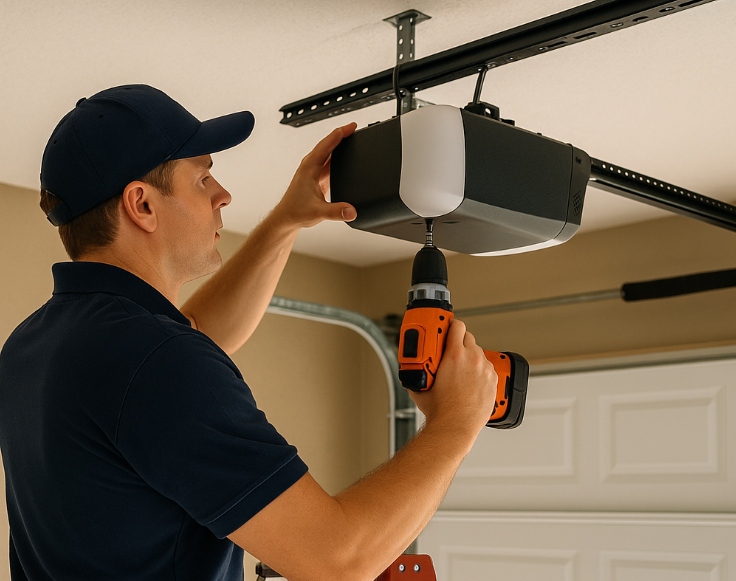
Identifying Noises That Need Garage Door Opener Repair
Your garage door should operate with a consistent, rhythmic hum, but many homeowners grow accustomed to bangs and screeches that signal a looming disaster. Ignoring these auditory warning signs often leads to a complete system failure at the most inconvenient time possible.
If your overhead door sounds more like a construction site than a smooth entry point, you likely need a professional from Garage Door Fort Lauderdale to perform a targeted garage door opener repair to prevent further damage. By learning to “listen” to your garage door, you can catch minor component wear before it turns into an expensive motor replacement or a dangerous mechanical collapse.
Common Sounds That Signal Internal Component Failure
The type of noise your opener emits provides a direct map to the problem. A high-pitched squealing or screeching sound usually indicates that the metal-on-metal parts lack proper lubrication or that the rollers are beginning to seize. If you hear a repetitive clicking, your logic board might be struggling to send the correct electrical signals to the motor, or the plastic drive gears inside the housing are starting to strip their teeth. These gears act as the “transmission” for your door; once they lose their grip, the motor will spin fruitlessly while the door remains stubbornly shut.
Another alarming sound is a heavy clunking or banging during the opening cycle. This often suggests that the lift cables are frayed or that the door has lost its balance, forcing the opener to “jerk” the weight upward. When the opener fights against an unbalanced door, it generates excessive heat and vibrates violently against the ceiling joists. If you notice the motor housing shaking while it makes these sounds, the mounting brackets may have loosened, posing a risk that the entire unit could pull away from the drywall.
Grinding and Rattling: The Warning Signs of Chain and Belt Wear
If you own a chain-drive opener, a loud slapping or grinding noise typically means the chain has stretched over time. A loose chain can jump the sprocket, causing the door to slam shut or mid-cycle. You might also notice metal shavings or black soot appearing on top of the motor casing, which confirms that the chain is eating away at the drive gear. Tightening the tension might offer a temporary fix, but persistent grinding usually means the internal drive assembly requires a complete overhaul to ensure safe operation.
For those with belt-drive systems, a fraying or “slipping” sound indicates that the reinforced rubber belt has lost its structural integrity. While belt drives offer the quietest performance on the market, they can develop “teeth” issues where the belt no longer aligns perfectly with the motor’s drive cog. This results in a rhythmic thumping sound every time the door moves. Replacing a worn belt early prevents the motor from burning out due to the increased friction and uneven resistance.
Squeaking and Straining: When the Motor Reaches Its Limit
the door. This sound usually points to a blown capacitor—the component that provides the electrical “jolt” needed to start the lifting process. If the motor hums for several seconds and then shuts off, the thermal overload protector is likely kicking in to prevent a fire. You should never force the door to move if the motor is buzzing, as this can permanently melt the internal windings and turn a simple repair into a total replacement.
Listen closely to your door during its next cycle to catch these red flags early. A proactive approach to garage door opener repair saves you money and keeps your home secure from unexpected breakdowns. If you hear any of these troubling noises, contact the expert technicians at Garage Door Fort Lauderdale to diagnose the issue and restore your door to its original, whisper-quiet performance.